
Tent Maintenance & Care
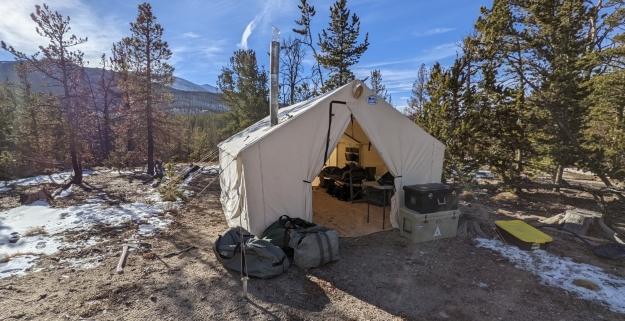
Maintaining a Canvas Wall Tent
Investing in a high-quality canvas tent from Davis Tent® is a decision that rewards you with durability, comfort, and performance in the backcountry. But like any rugged piece of gear, your tent needs regular maintenance to ensure it stays in peak condition for years to come. Whether you’re a seasoned outfitter or a first-time buyer, this guide will walk you through everything you need to know about canvas tent maintenance — from cleaning and drying to repairs and long-term storage.
Tent Maintenance Matters
Your tent isn’t just gear — it’s your shelter. It protects you from the elements, provides a comfortable basecamp, and holds up to the harshest outdoor conditions. With proper care, a Davis Tent® can last decades. Without it, even the strongest canvas can degrade faster due to mold, UV damage, or improper storage.
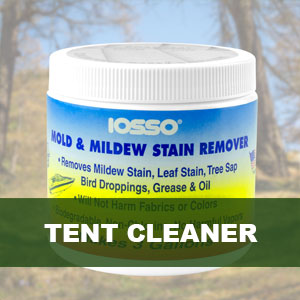
These products aid in providing routine maintenance:


Let’s dig into how to properly care for your tent
1. Setting Up Your Tent Properly
Preventative maintenance begins the moment you pitch your tent.
Choose the Right Site
-
Avoid low ground where water can collect during rain.
-
Clear sharp debris like rocks, sticks, or pinecones before staking out.
-
Use a ground tarp (we recommend our custom floor or ground cloth) to reduce moisture wicking and abrasion.
Pitch With Care
-
Don’t overtighten guy lines. Keep tension even to avoid stressing the canvas.
-
Ensure zippers run smoothly and aren’t stressed by poor alignment.
-
If you’re expecting wind, double-check stake security and reinforce with extra guy lines if needed.
2. Daily Care While in the Field
Staying aware of your tent’s condition during your trip prevents small issues from becoming major problems.
Ventilation
Even with waterproof canvas, condensation can occur. Proper ventilation prevents mildew buildup inside the tent.
-
Keep windows or vents slightly open to allow airflow.
-
Avoid sealing the tent up completely, especially when using stoves or heaters.
Keep It Dry
Canvas is breathable but absorbs water.
-
Shake off dew or rainwater when possible.
-
Use the tent stove to help dry out the interior during wet trips.
-
Never pack it up wet unless absolutely necessary — and if you must, dry it out as soon as you return.
Dirt and Mud
-
Use a small brush or cloth to remove dirt daily.
-
Don’t let mud cake and dry on the fabric or zippers.
3. Cleaning Your Tent
A clean tent performs better and lasts longer. Here’s how to clean your Davis Tent safely.
Spot Cleaning
For general upkeep:
-
Use lukewarm water and a mild, non-detergent soap (like Castile soap).
-
Scrub lightly with a soft sponge or brush.
-
Rinse thoroughly to remove soap residue, which can attract dirt or break down canvas treatments.
Deep Cleaning
Only deep-clean when absolutely necessary — over-cleaning can reduce the tent’s water repellency.
-
Pitch the tent or hang it taut.
-
Wet it down with clean water.
-
Apply a canvas-safe cleaner (check our recommended cleaning products).
-
Gently scrub, focusing on stains or mildew spots.
-
Rinse thoroughly with a garden hose or buckets of clean water.
-
Allow to air dry completely in full sun, if possible.
Do NOT:
-
Use bleach, harsh detergents, or pressure washers.
-
Machine wash or dry your tent.
-
Fold and store when the tent is even slightly damp.
4. Re-Treating for Water Resistance
Canvas tents are treated to be water-resistant, not waterproof. With time and use, especially after cleaning, you’ll need to reapply a treatment.
When to Retreat
-
If water no longer beads on the surface.
-
After a deep clean or heavy rain exposure.
-
Every 1–2 years, depending on use and climate.
How to Re-Treat
-
Use a recommended canvas waterproofing treatment (we stock options proven to work with our tents).
-
Apply with a garden sprayer or paint roller for even coverage.
-
Focus on seams and high-wear areas.
-
Let dry completely before storing.
Some treatments also add UV protection, which is essential if your tent is used in high-sun environments like the Rockies or Southwest.
5. Repairing Damage
One of the biggest advantages of canvas over synthetics is repairability.
Minor Repairs
-
Small tears or holes: Use canvas repair tape or patch kits available from Davis Tent.
-
Leaky seams: Re-seal with a quality seam sealer designed for canvas.
-
Loose grommets or zippers: Contact our repair shop or use reinforced grommet kits.
Major Repairs
If your tent has:
-
Large rips
-
Broken frame components
-
Failed zippers or buckles
…we recommend contacting Davis Tent directly. We offer professional repair services and can ship replacement parts to get you back in the field fast.
6. Storing Your Tent Long-Term
How you store your tent off-season can make or break its lifespan.
Clean and Dry First
-
Make sure your tent is 100% dry before packing it up. Any moisture can lead to mildew, rot, or mold.
-
Even one damp corner or wet rope can cause issues.
Roll, Don’t Stuff
-
Gently roll the tent rather than stuffing or folding it tightly. This prevents creases and fabric strain.
Choose a Good Storage Environment
-
Store in a dry, cool location — avoid garages with humidity or sheds that get too hot.
-
Use a breathable storage bag — avoid plastic bins that trap moisture.
-
Avoid contact with chemicals, fuel, or oils that could damage the fabric.
7. Winter Use and Maintenance
Davis Tents are built to handle winter conditions, but snow and cold introduce unique care challenges.
Snow Load
-
Sweep snow off the roof regularly to avoid stress or sagging.
-
Consider using internal pole kits or snow load supports for longer trips.
Moisture Management
-
Use a stove to dry interior condensation.
-
Make sure stovepipe exit and roof jack are sealed properly to avoid leaks.
Post-Trip Winter Storage
-
Dry the tent thoroughly indoors if needed.
-
Clean soot from the stove jack area to prevent long-term staining or degradation.
8. Accessories and Add-Ons: Caring for the Whole System
Many Davis Tent users enhance their setups with awnings, cook shacks, floors, and stoves. These components need care too:
-
Awnings and vestibules: Clean like the main tent, store dry and rolled.
-
Tent stoves: Empty ash, clean chimney pipes, and inspect for rust or wear.
-
Floors and ground tarps: Hose down and dry before folding away.
-
Zippers and buckles: Lubricate with silicone-based products to keep them gliding smoothly.
9. Mold and Mildew Prevention
Mold is the number-one killer of canvas gear — and prevention is far easier than remediation.
Prevention Tips
-
Dry the tent completely after every use.
-
Use ventilation daily.
-
Store in a low-humidity environment.
-
Never leave the tent packed wet.
If You Spot Mold
-
Isolate the affected area quickly.
-
Use a mild vinegar solution (1 part vinegar, 4 parts water) or canvas-safe mold remover.
-
Scrub gently and allow to dry fully.
-
Retreat with waterproofing after cleaning.
10. Trusted Help When You Need It
If you ever have a question about your tent’s care, reach out to the team at Davis Tent. We’ve been building and maintaining canvas tents for outfitters, hunters, ranchers, and adventurers for decades — and we’re happy to help you get the most life from your gear. With the right care and attention, your Davis Tent will be there for all of it — season after season.